Best time to visit Zanzibar: month-by-month weather, prices & crowds
November 12, 2025 · by Sébastien Joumel
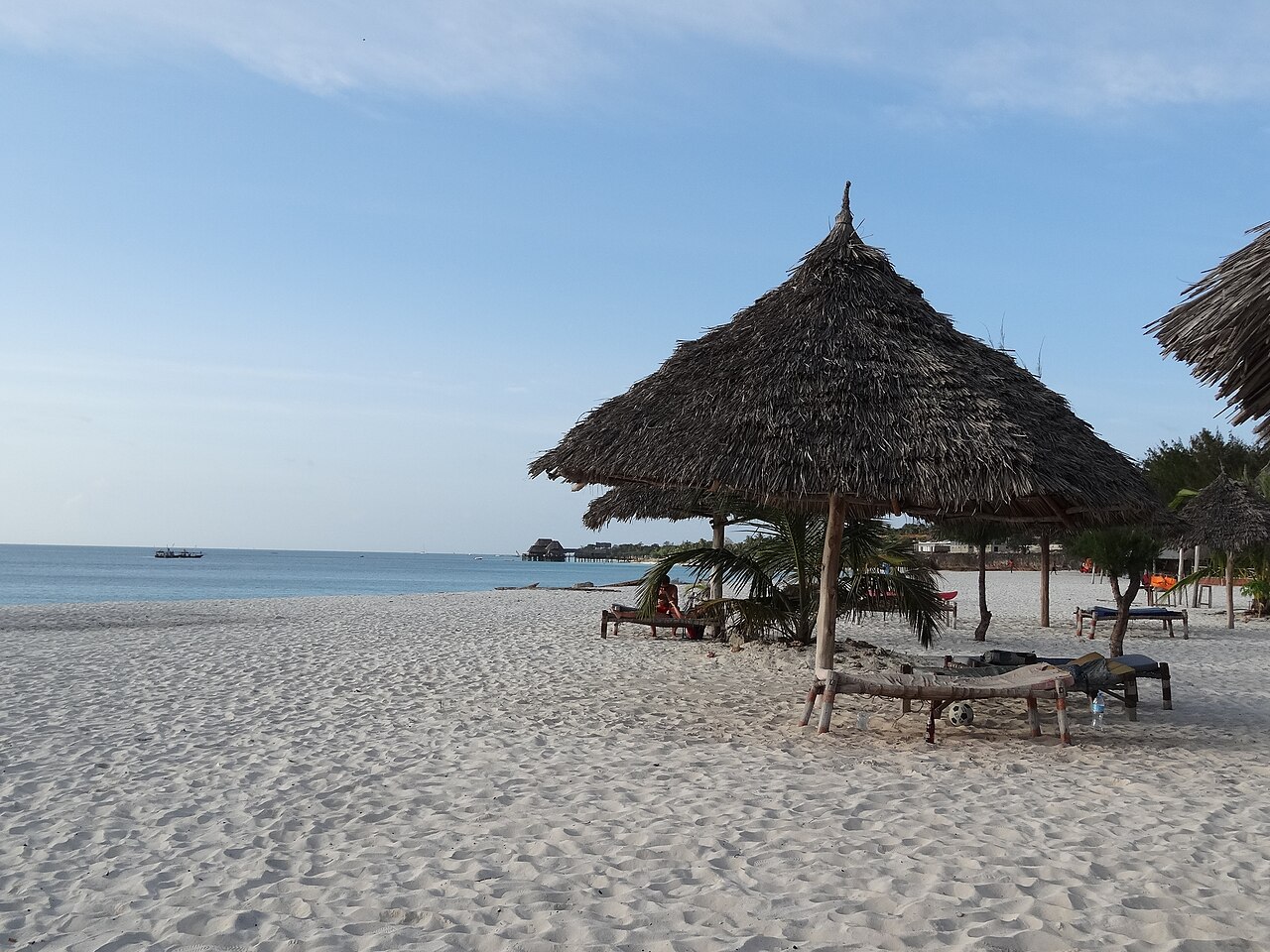
Powder-white sand, dhows leaning into the trade winds, the scent of cloves drifting out of Stone Town's alleys — Zanzibar delivers the Indian Ocean fantasy at almost any time of year. Almost. Get the timing right and you'll trade rainy afternoons and seaweed-strewn lagoons for flat turquoise water, big diving visibility and beaches you can actually walk along at low tide.
This guide breaks down the island’s seasons month by month — weather, sea conditions, crowds and, crucially, when hotel prices rise and fall — so you can book the trip you’re actually picturing.
At a glance
- Best overall: June to October — dry, sunny, calm seas, peak season.
- Best value: January–February and November — good weather, lower prices.
- Avoid (if you can): April and most of May — the heaviest rains.
- Water temperature: a warm 26–29°C all year.
- Book ahead: 3–4 months for the July–August and Christmas peaks.
Zanzibar’s two seasons (and two shoulders)
Zanzibar sits just south of the equator, so it doesn’t have summer and winter — it has wet and dry, governed by the Indian Ocean monsoons. There are two dry seasons worth targeting and two rainy ones, plus a couple of underrated shoulder windows in between.
Because the island is small, the weather is broadly the same wherever you stay — but sea conditions, seaweed and wind vary noticeably between the north coast (Nungwi, Kendwa) and the tide-driven east coast (Paje, Jambiani).
Month by month
| Period | Weather | Sea & crowds | Prices |
|---|---|---|---|
| Jun–Oct | Dry, sunny, low humidity | Calm, clear water; busiest | Highest (Jul–Aug) |
| Jan–Feb | Hot, sunny, short dry spell | Warm sea, moderate crowds | Mid |
| Mar–May | Long rains, humid | Rough, seaweed on east coast | Lowest |
| Nov–mid Dec | Short rains, brief showers | Quiet, fresh | Mid-low |
| Late Dec | Mostly dry, festive | Busy, lively | Peak |
June to October — the main event
This is the long dry season and the reason most people picture Zanzibar the way they do: daytime highs around 26–29°C, cool evenings, very little rain and superb underwater visibility for divers heading to Mnemba Atoll. It’s peak season, so the best beachfront rooms sell out months ahead and July–August command the year’s top rates — partly driven by European summer holidays and safari-goers tacking on a beach week.
January to February — the warm secret
Sandwiched between the rains, this short dry season brings the hottest, most cloudless weather of the year. It’s brilliant for sun-seekers, the sea is bathwater-warm, and prices sit below the July–August peak. The catch: it can be genuinely hot and humid by midday, so plan beach time and tours for mornings and late afternoons.
March to May — the long rains
April is the wettest month, with heavy, sometimes all-day downpours and high humidity. Some smaller hotels and beach restaurants close, ferries can be choppier, and the east-coast lagoons collect more seaweed. The upside is real, though: this is when you’ll find the lowest room rates of the year, often half the peak price, and the island feels gloriously empty.
November to mid-December — the underrated window
The “short rains” are exactly that: brief, scattered showers rather than washouts. You get shoulder-season prices, thin crowds and lush green landscapes. For travellers who want good-enough weather without peak costs, this is arguably the smartest time to go — right up until the Christmas surge.
What about seaweed and tides?
On the east coast (Paje, Jambiani, Bwejuu), the tide retreats hundreds of metres twice a day, which is fascinating to watch but means swimming is tide-dependent. Seasonal seaweed (mostly outside the dry months) can also wash up here. If uninterrupted swimming straight off the beach is your priority, the north (Nungwi and especially Kendwa) has deeper water and far less tidal variation year-round.
Pick your coast as carefully as your month: the same week can mean flat, swimmable turquoise in Kendwa and a wide, kite-friendly tidal flat in Paje.
Festivals worth planning around
- Sauti za Busara (February) — East Africa’s biggest music festival, in Stone Town’s old fort.
- Eid celebrations — dates shift each year with the lunar calendar; expect a joyful but busy island.
- Zanzibar International Film Festival (usually July) — coincides with peak season, so book very early.
Which season is right for you?
- Divers and honeymooners: June–October for calm, clear seas and reliable sun.
- Budget travellers: March–May for rock-bottom rates, or November for the best value-to-weather ratio.
- Sun-worshippers who hate crowds: January–February.
- Kitesurfers: the windy months on the east coast (roughly June–September and December–February) are prime.
Zanzibar weather FAQ
Is Zanzibar good to visit year-round?
Yes — the sea stays warm and even the wet season has sunny spells. It’s about matching your priorities (price, crowds, diving, swimming) to the month rather than avoiding any “bad” time entirely.
When is it cheapest?
March to May, during the long rains, then the November short rains. Peak prices hit in July–August and over Christmas/New Year.
Does it rain all day in the wet season?
Rarely. Expect heavy but often short downpours, usually in the afternoon, with sunny mornings in between — April being the main exception.
Plan your stay
Once your dates are set, the next decision is where to base yourself — and that’s where prices really swing. Compare live rates across every booking site, and see the best areas and stays for each budget, in our full guide to hotels in Zanzibar.