eSIM vs Roaming vs Wi-Fi: Staying Online on a City Break
August 17, 2026 · by Sébastien Joumel
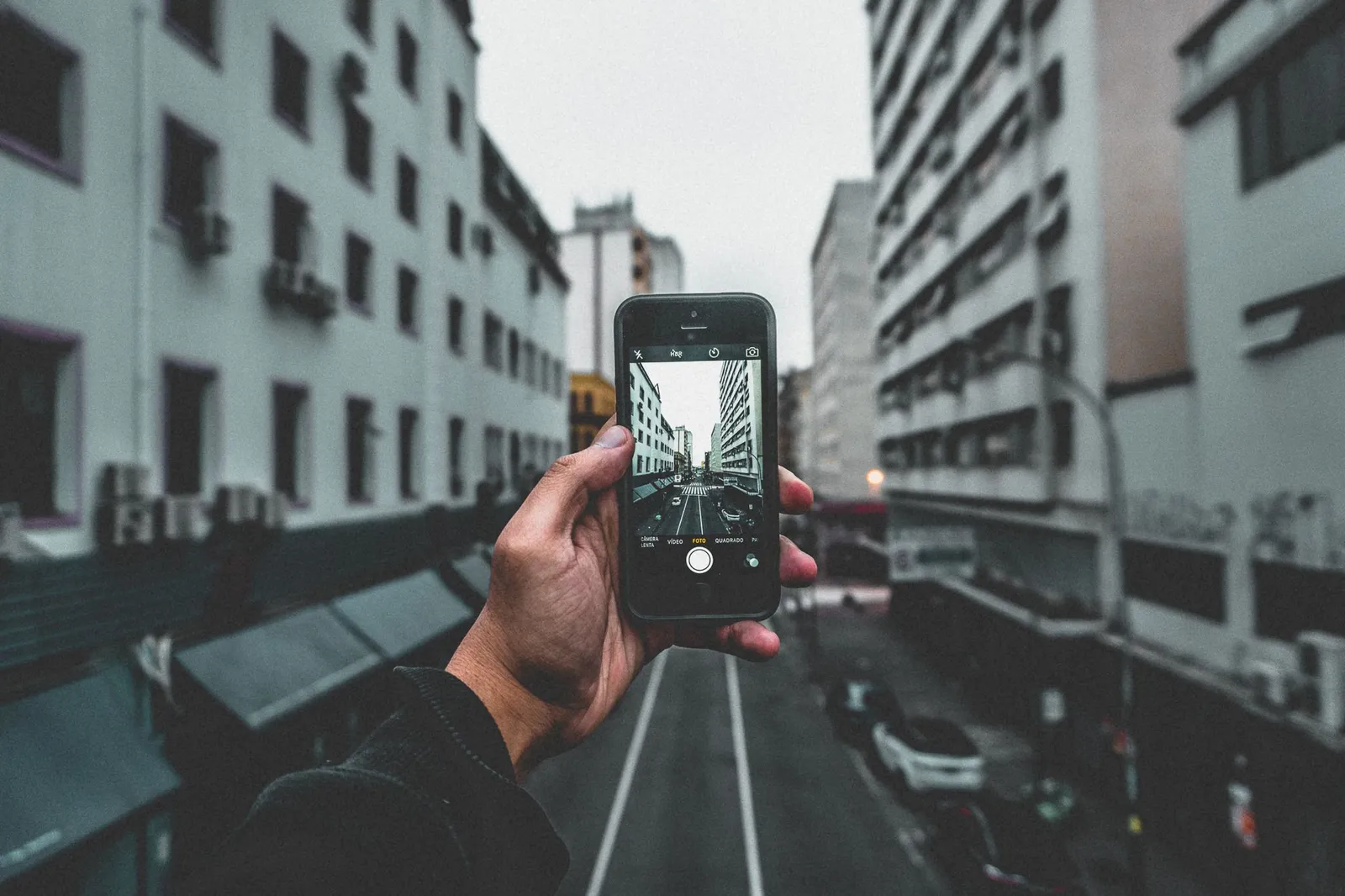
A city break rarely goes to plan without a working phone. You need it for the metro app, the restaurant booking, the boarding pass, and the friend who is running fifteen minutes late. Choosing how you get online, through hotel Wi-Fi, your home network's roaming, or a temporary eSIM, decides how much of the weekend you spend hunting for a signal instead of enjoying the trip. Here is how the three options actually compare, and which one fits which kind of city break.
Why connectivity matters more on a short trip
On a week-long holiday, being offline for an afternoon barely registers. On a 48 or 72 hour city break, it is a different story. You move fast between neighbourhoods, lean on maps to avoid wasting time, and need instant access to tickets, reservations and translation apps.
A short break, whether it is a long weekend deciding between Essaouira and Marrakech or a quick hop to a European capital, leaves little room for error. A ten minute outage looking for the right bus stop eats into hours you simply do not have. That is why connectivity is worth planning before you fly, not fixing once you land.
Wi-Fi on a city break: great in short bursts
Hotel and cafe Wi-Fi covers the moments when you are sitting still: checking in, planning the next day over breakfast, or uploading photos before bed. It is free, it is already there, and it does not touch any data allowance.
The problem is what happens the moment you step outside. Wi-Fi does not follow you onto the street, into the metro, or through an airport transfer, exactly the moments when you most need a map, a translation app or a ride hailing app to actually load. Relying on Wi-Fi alone usually means screenshotting directions before you leave the hotel and hoping you remember the way. It works well as a backup. It is not a plan on its own for a city where you are constantly on the move.
Roaming: convenient, but read the fine print
Roaming means using your existing SIM, or your phone's built in number from home, abroad, without setting anything up. For travellers moving between European Union countries, this is often straightforward: the bloc's roaming rules generally let you use your home data allowance much as you would at home, as explained by the European Commission.
Step outside that zone, though, and the picture changes fast. Many networks add a daily fee on top of your existing plan just to keep roaming switched on, and data allowances abroad are frequently far smaller than what you get at home. It is easy to arrive, forget to check, and come home to a bill that does not match the trip you actually took. Roaming can still make sense for a single short hop where you do not want the hassle of switching anything, just check your provider's rate for that specific country before you land.
eSIM: install it before you fly, then forget about it
An eSIM is a digital SIM that you activate with a QR code before you travel, rather than swapping a physical card. Once it is installed, most phones from the last few years support it according to GSMA, it runs as a separate data plan alongside, or instead of, your home number.
For a city break, that solves the exact gap Wi-Fi leaves open: you land, turn it on, and maps, messaging and ride apps work from the taxi rank onward, with a data allowance you already paid for and already know the size of. There is no daily roaming fee, no surprise bill, and no need to hunt down a local SIM shop on your first afternoon.
The main decision left is which provider and plan to pick, since pricing, coverage and data amounts vary a lot between them. If you want to compare current offers before your trip, MyBestSim keeps an updated list of eSIM discount codes for travellers, worth a look before you buy rather than after.
A handful of providers regularly run real, working discounts worth knowing about:
| Provider | Promo code | Discount |
|---|---|---|
| BNESIM | MYBESTSIM | Up to 30% off |
| ChillSIM | MYBESTSIM25 | 25% off |
| Yesim | MYBESTSIM20 | 20% off |
| Nomad | MYBESTSIM20 | 20% off |
| Airalo | MYBEST15 | 15% off |
| aloSIM | MYBESTSIM | 15% off |
| Saily | MYBESTSIM | 10% off |
| Holafly | MYBESTSIM | 5% off |
These eight are just a sample. Dozens more eSIM providers are listed and compared, and codes and discount percentages shift over time, so it is worth checking the current offer before you buy rather than assuming last month's code still applies.
Wi-Fi vs roaming vs eSIM, at a glance
| Option | Best for | Watch out for |
|---|---|---|
| Hotel or cafe Wi-Fi | Evenings, breakfast planning, budget trips | Stops working the moment you step outside |
| Roaming on your home SIM | Short hops inside the EU, zero setup | Can be costly and limited outside your home region |
| eSIM | Multi-day city breaks, constant navigation | Needs a few minutes of setup before you fly |
Choosing the right option for your trip
A few questions are worth asking before you leave:
- Will you be walking or using transit most of the day, or mostly sitting in cafes and the hotel?
- Are you staying inside the EU, or crossing into a region where roaming rates spike?
- Is this a one-off weekend, or part of a longer, multi-city trip?
If you are still deciding where to go, browsing the best travel planning websites for 2026 is a good place to start comparing routes and prices before you lock in a destination. And if budget is the main driver, working out real costs properly, the way we break down what a trip to Zanzibar really costs, applies just as well to a phone plan as it does to flights and hotels: know the real number before you commit.
Frequently asked questions
Can I use Wi-Fi and an eSIM at the same time?
Yes. Most phones default to Wi-Fi when it is available to save data, then fall back to the eSIM automatically once you step out of range, so there is nothing to switch manually.
Do I need a new phone number for an eSIM?
No. A travel eSIM is a data-only plan in almost every case, so your existing number keeps working for calls and texts while the eSIM handles the internet connection.
There is no single right answer for every trip, only the option that matches how you will actually use your phone once you land. For a quiet long weekend mostly spent in cafes, hotel Wi-Fi might be enough. For anything busier, especially a city break spent moving between neighbourhoods and transit lines, setting up connectivity before departure removes the guesswork, and checking a current discount code first means you do not pay more than you need to.